Intel MacBooks in 2026: Should You Buy a Used Intel i7/i9 MacBook Pro?
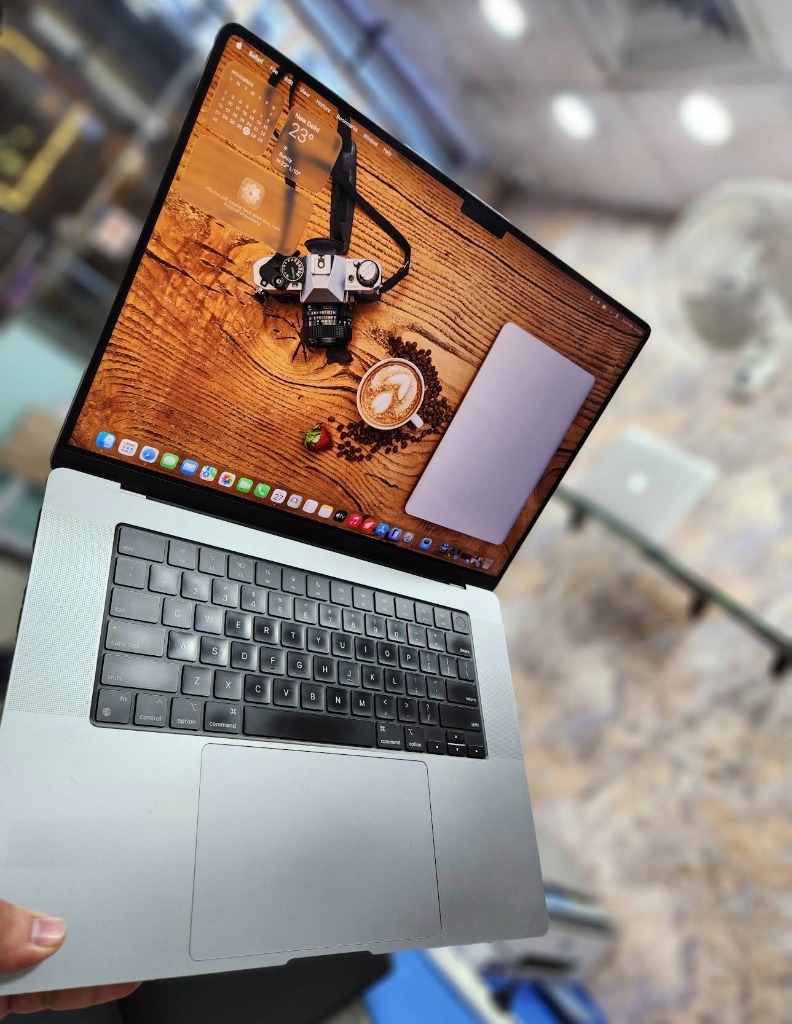
Intel MacBooks are now cheaper than ever. We analyze the value, software support limits, battery life, and heating issues to see if you should buy one in 2026.
The Price Drop of Intel MacBooks
If you browse second-hand laptop listings in Delhi, you will find 15-inch and 16-inch Intel Core i7 and i9 MacBook Pros (built between 2017 and 2019) selling at very low prices. For buyers who want a large display, high-quality speakers, and a premium metal body on a tight budget, these listings are highly tempting.
But does buying a used Intel MacBook Pro make sense in 2026, or are you buying obsolete technology? Let's look at the facts.
1. The Major Drawback: macOS Software Support
Apple is rapidly phasing out support for Intel chips. Modern macOS versions (like macOS Sonoma and Sequoia) have dropped support for older Intel configurations.
- App Lifespans: Many developers are now building apps exclusively for Apple Silicon (ARM architecture). In the next 1-2 years, many major apps will stop updating on Intel-based Macs.
2. Heating, Fans, and Battery Degradation
Intel Core i7 and i9 chips require a massive amount of power. Consequently, these laptops run very hot, which causes several issues:
- Loud Fan Noise: The fans will run at high speeds even when opening a few tabs in Chrome, which can be distracting.
- Short Battery Life: Even with a brand-new battery, an Intel MacBook Pro rarely lasts more than 3-4 hours on a charge, compared to 12-15 hours on an M1 MacBook Air.
The Recommendation: Buy M1 Air Instead
Even though an older 15-inch Intel MacBook Pro looks impressive, a pre-owned 13-inch M1 MacBook Air is faster, runs silent, lasts all day, and will continue to receive software updates for years. Unless you need to run specific Intel x86 software or need a cheap Windows boot machine, avoid Intel MacBooks in 2026.